

Blog Default
Word of the Day
We have looked at: 1. normal verb 2. verb with the suffix -t (can) 3. verb with the suffix -wapka (will) All Klamath verbs can be present tense or past tense. The context the verb is used in will decide how it should be translated. There are words that I call: Time element...
Word of the Day
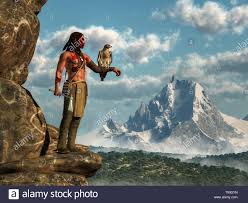
Today we are going to have another verb suffix. It is: -wapka. It is the future tense marker in Klamath. It most often indicates "will." ni yayna sle-a. I see the mountain. ni yayna sle-at. I can see the mountain. ni yayna slewapka. I will see the mountain. On the sentences you...
Word of the Day
Today we are going to be making some sentences as we have been doing. Except we will add a suffix to the verb. This suffix is: -t. It adds the meaning of: "can" to the verb. ni yayna sle-a. I see the mountain. Our new sentence is: ni yayna sle-at. I can see the...
Word of the Day
We are going to look at some of the first sentence structures you will need to know for Klamath. ni ____ gi. Yesterday's Word of the Day talked about " gi." It is a heavily used verb even though it is only 2 letters long. Here the subject is: ni, so the most common...

Word of the Day
One of the most used verbs in Klamath is "gi." It means: is, was, were, are, am, have, had, get, got and more. These are the most common meanings. When translating a sentence with "gi" as the verb, most of the times it will mean: is. It might be helpful to translate "gi"...

Word of the Day
This exercise we have been illustrating can be expanded to meet every single sentence you can think of. When you get tired of using the nouns you have access to, you can look up a new batch of nouns in the Gatschet dictionary. I will try to make other lists of nouns. But you...